
English guide to common diagram labels
The equipment descriptions explain these original diagrams in English. The original artwork is retained.
- 轴承
- Bearing
- 内圈
- Inner ring
- 外圈
- Outer ring
- 滚动体
- Rolling element
- 保持架
- Cage
- 密封
- Seal
- 径向
- Radial
- 轴向
- Axial
- 主轴
- Main shaft / spindle
- 偏航
- Yaw
- 变桨
- Pitch
- 齿轮箱
- Gearbox
- 发电机
- Generator
- 丝杠
- Screw
- 工作台
- Table
- 减速机
- Reducer
- 连铸
- Continuous casting
- 热轧
- Hot rolling
- 冷轧
- Cold rolling
- 烘缸
- Drying cylinder
- 压榨
- Pressing
- 破碎机
- Crusher
- 振动筛
- Vibrating screen
- 回转支承
- Slewing bearing
- 磨煤机
- Coal pulverizer
Define the issue and the meaning of inputs
Separate heating at start-up, after relubrication and after a load change. Record the sensor position, ambient conditions, comparable load and maintenance events before comparing trends.
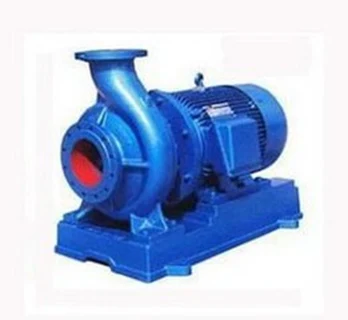
Pumps and compressors: rib contact and friction
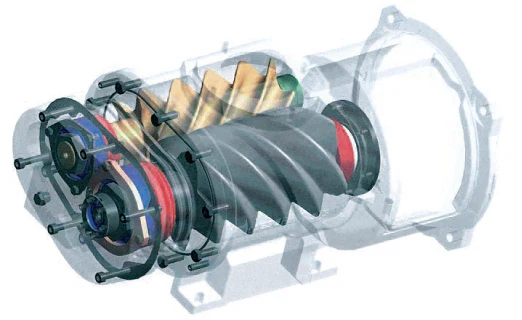
Position
pump/compressor shaft supports under combined loads.
Issue
roller-end/rib contact, cage geometry and operating clearance affect frictional heat together.
Design direction
optimise end-contact area and roughness, avoiding excessive contact or edge stresses; match pockets to roller contact.
Provide
load directions, temperature, lubrication, mounted clearance and alignment records.
Assembly: measured clearance and matching
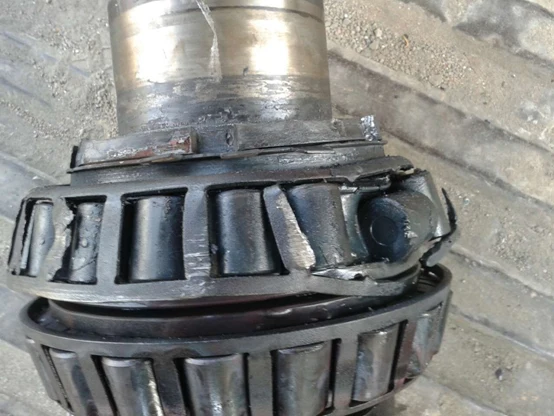
Deck example
axial spacing and assembly adjustments in matched pump supports affect running; arbitrary clearance changes can cause heat and damage.
Engineering focus
jointly measure raceways, rib-contact coordinates and cage envelopes; preserve matching and orientation.
Record
before/after dimensions, shims, measured preload/clearance, temperature trends and damage locations.
Hydraulic motors: pressure, speed and contact
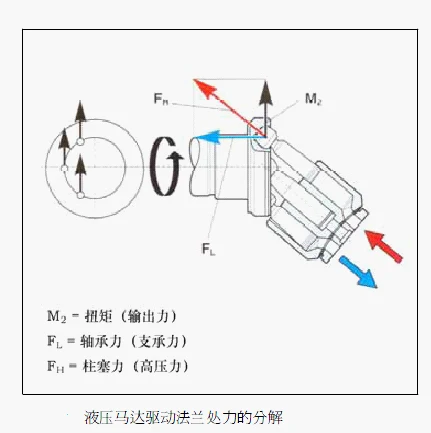
Conditions
hydraulic pressure, axial/radial loads, speed and oil temperature interact.
Group project (2025)
T7FC050-YYB and T7FC060-YYB design/testing comparisons.
Engineering focus
contact angle, roller-end/rib contact, preload and heat treatment; distinguish test conditions from field service history.
Provide
pressure/speed spectra, mounting arrangement, oil temperature and cleanliness, not system pressure alone.
Follow an evidence-based inspection path
Inspection path
compare the lubrication arrangement with supply pressure/flow records, filtration, leaks and maintenance. Then examine assembly clearance, support arrangement and speed changes. Treat unverified causes as hypotheses; do not change lubricant, quantity or clearance on that basis.
Information for a technical enquiry
Equipment and position
machine model, mounting position and complete bearing designation with suffixes. For replacements, include the original arrangement and fit dimensions.
Operating records
bearing speed in rpm, radial and axial loads, shocks and starts/stops. Paper-web and rolling-line speeds are not bearing rotational speeds.
Lubrication and assembly
lubricant grade, oil supply or relubrication records, temperature, mounted clearance or preload, seals and contamination.
Problem and objective
temperature rise, noise, vibration or flaking, timing, photographs and maintenance records, plus the outage window or redesign objective.
Record a practical verification plan
Record drawing/reference versions, original duty, proposed changes, verification methods and results. Separate observations, hypotheses and verified conclusions. Follow equipment procedures; do not exceed operating limits to gather test data.
Related equipment industry
Explore equipment arrangements and applications →APPLICATION SUPPORT
Turn an equipment issue into a technical enquiry
Share the complete designation, position and operating records to discuss arrangements, lubrication, assembly or replacement.
Edited from the group’s 2025 industry presentation · Project records and design targets apply to their specific equipment conditions.
